Duck foie gras is a unique delicacy that many food lovers adore. It's made from the liver of specially fattened ducks, and it has a rich, buttery flavor that's hard to beat. If you've never tried it, you might be wondering what all the fuss is about. Let’s break it down.
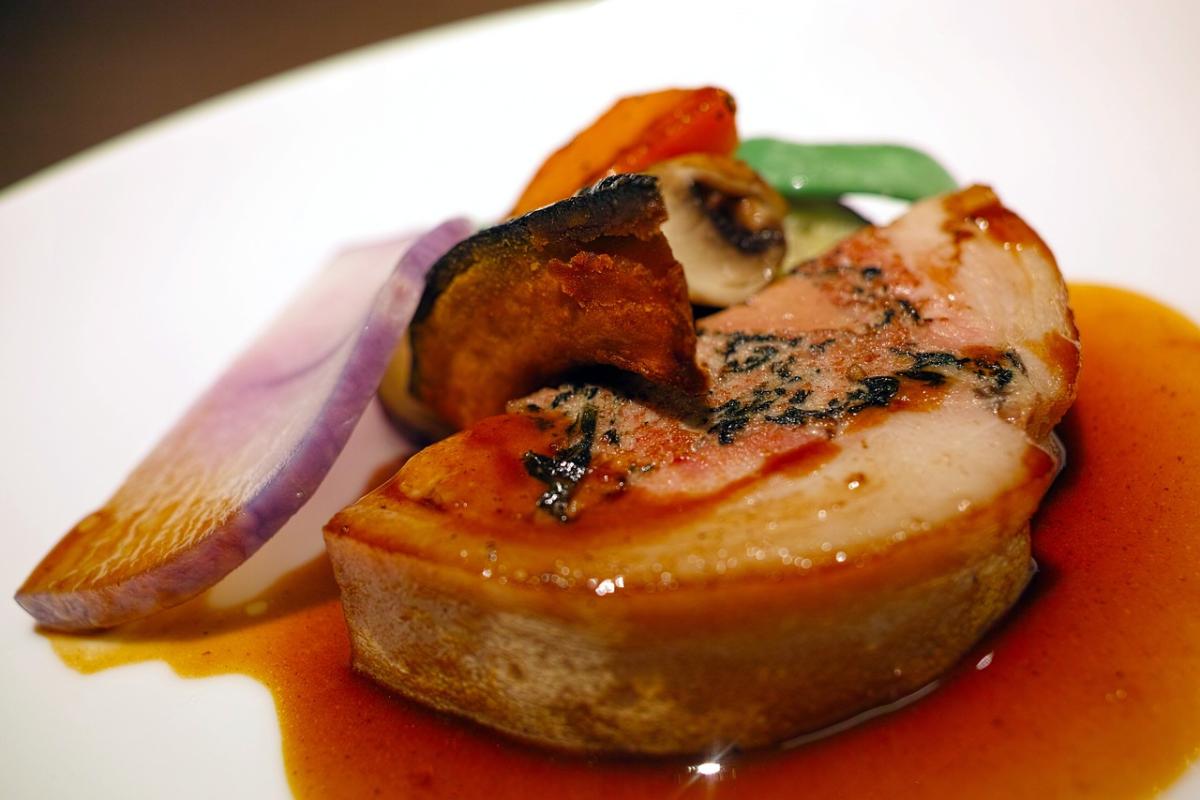
What makes duck foie gras stand out is its creamy texture and the way it melts in your mouth. It can be served in various forms—think pâtés, terrines, or even as a luxurious addition on top of steak. The secret to its flavor comes from the way the ducks are raised. They’re fed a specific diet that helps them build up the liver's fat, resulting in that delightful taste we all love.
If you're thinking about trying duck foie gras for the first time, you might want to start with a simple version, like a pâté spread on a piece of toasted bread. Pair it with some sweet jam or a tangy chutney, and you're in for a treat! It’s a rich dish, so a little goes a long way.
When buying duck foie gras, look for quality. Some brands prioritize animal welfare, so it’s worth checking how the ducks are raised. The flavor can vary, too, so if you can, taste a few different brands to find your favorite. Whether you're a seasoned foie gras enthusiast or a curious beginner, there's plenty to discover in this gourmet delight!
How It's Made and Why It Matters
When you dive into the world of duck foie gras, one of the first things that come to mind is the process that brings this delicacy to your plate. It all starts with a specific breed of ducks, typically the Moulard variety. These ducks are known for their large size and rich, flavorful meat, making them ideal for producing foie gras.
The journey to creating foie gras involves a method called "gavage," or feeding. This process usually begins when the ducks are around 12 weeks old. Farmers feed them a special diet of corn, which encourages the liver to grow significantly. It’s a careful balance; the goal is to enrich the liver, resulting in the buttery, velvety texture that's loved by so many. Ethical practices are key, and many producers are committed to ensuring the ducks live healthy lives.
Once the ducks are ready, their livers are harvested, and that’s where the magic continues. The livers are cleaned, chilled, and often transformed into exquisite pâtés or whole foie gras. This meticulous preparation enhances its flavor and makes it the luxurious food experience that people crave.
Understanding how foie gras is made adds a layer of appreciation for this special dish. It’s about the dedication of farmers who respect the animals and the traditional methods that enhance the natural taste. When you enjoy duck foie gras, you’re not just tasting a product; you’re savoring a piece of culinary tradition that emphasizes quality and care at every step of the process.
Best Ways to Enjoy Duck Foie Gras
Duck foie gras is such a treat, and there are so many delicious ways to enjoy it! Whether you’re hosting a fancy dinner or just want to indulge in something special, here are some ideas to elevate your foie gras experience.
First up, consider serving it as a classic pâté. Spread a generous slice on toasted baguette or crackers for a rich, creamy bite that melts in your mouth. Add a touch of fig jam or a sprinkle of sea salt on top, and you have a starter that’s sure to impress your guests.
If you’re feeling a bit adventurous, try incorporating foie gras into a warm salad. Lightly sear the slices until golden and serve them atop mixed greens with a light vinaigrette. Toss in some roasted nuts and seasonal fruits to create a balance of flavors and textures that’s simply delightful.
For a comforting dish, you can elevate your risotto by adding bits of duck foie gras toward the end of cooking. The heat will gently melt the foie gras, infusing the dish with a luxurious richness that’s hard to resist. Pair it with a glass of white wine, and you’re in for a real treat!
Don't forget, foie gras is also fantastic paired with sweet elements. Think caramelized apples or pears! The sweetness contrasts beautifully with the savory richness of the foie gras, making each bite an unforgettable taste experience.
Selecting Quality Duck Foie Gras Guide
When it comes to selecting quality duck foie gras, a few key factors can make all the difference in your culinary experience. It’s important to know what to look for to ensure you're getting the best of the best. Here’s a straightforward guide to help you choose wisely.
First, check out the source. Quality foie gras often comes from specific regions known for their production, like France or certain farms in the US. Look for farms that follow ethical practices, ensuring that the ducks are treated well. A good sign is if they offer information about their farming methods directly on the packaging.
Next up, pay attention to the texture and color. Premium duck foie gras should have a rich, buttery color and a smooth, creamy texture. Avoid any products that look dry or have dark spots, as these may indicate lower quality. A glance at customer reviews can also provide insights into the texture and overall quality.
Don't forget about the flavor profile. Some variations will come with different seasonings or infusions. If you’re new to duck foie gras, you might want to start with the classic varieties to understand the base flavor. If you’re feeling adventurous, try ones infused with truffles or port for a unique twist!
Finally, consider how you plan to use the foie gras. If it’s for a special occasion, you might want to splurge on a premium brand. On the other hand, if you're experimenting or just want a taste, look for more budget-friendly options that still offer good quality. Happy tasting!